How Space Planning Services Optimize Your Interiors
When it comes to designing interiors, the layout and organization of space play a crucial role in creating a functional and aesthetically pleasing environment. Interior space planning is the process of arranging furniture, fixtures, and other elements within a room or building to maximize usability and comfort. This blog post explores how professional space planning services can transform your interiors, making them more efficient, inviting, and tailored to your needs.
The Importance of Interior Space Planning
Effective interior space planning is essential for both residential and commercial spaces. It ensures that every square foot is used wisely, avoiding clutter and wasted areas. Good planning enhances movement flow, improves natural light distribution, and supports the intended activities within the space.
For example, in a small apartment, thoughtful space planning can create distinct zones for living, dining, and working without making the area feel cramped. In an office, it can boost productivity by designing collaborative spaces alongside private workstations.
Key benefits of interior space planning include:
Maximized functionality: Every area serves a purpose.
Improved comfort: Spaces feel open and inviting.
Enhanced aesthetics: Balanced and harmonious layouts.
Better safety: Clear pathways and appropriate spacing.

How Interior Space Planning Enhances Your Home or Office
Interior space planning is not just about placing furniture; it involves a strategic approach to how space is used. This process considers factors such as:
Room dimensions and shape
Natural light and ventilation
Traffic flow and accessibility
Storage needs
Ergonomics and comfort
By analyzing these elements, space planners create layouts that optimize the environment for its users. For instance, in a home, they might suggest built-in storage solutions to reduce clutter or reposition windows to improve daylight penetration. In offices, they may design flexible work areas that can adapt to changing team sizes.
Practical tips for optimizing interiors through space planning:
Define clear zones: Separate areas for different activities.
Use multifunctional furniture: Save space with items that serve multiple purposes.
Maintain open pathways: Ensure easy movement without obstacles.
Incorporate vertical storage: Utilize wall space to free up floors.
Consider future needs: Plan for flexibility and growth.

What do space planners do?
Space planners are professionals who specialize in analyzing and designing interior layouts. Their role involves understanding the client’s needs, the space’s limitations, and the intended use to create efficient and attractive environments.
Typical tasks performed by space planners include:
Measuring and assessing the space: Accurate dimensions and features are recorded.
Creating detailed floor plans: Visual representations of the layout.
Selecting furniture and fixtures: Choosing items that fit the space and style.
Optimizing traffic flow: Ensuring smooth movement within the area.
Coordinating with other professionals: Collaborating with architects, interior designers, and contractors.
Space planners use specialized software and technical drawing skills to produce precise plans. Their expertise helps avoid costly mistakes and ensures that the final design meets both functional and aesthetic goals.
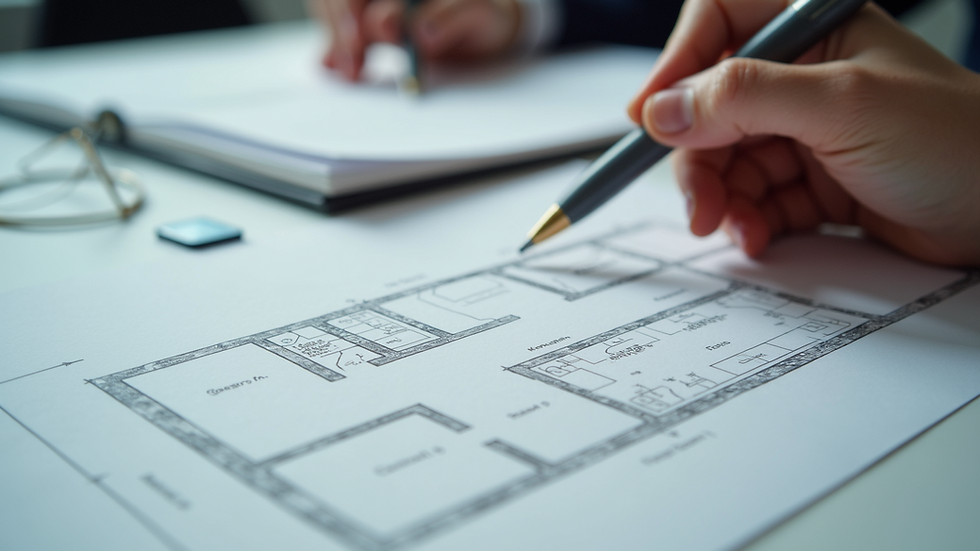
The Role of space planning services in Interior Design Projects
Hiring professional space planning services can significantly improve the outcome of your interior design project. These services provide expert guidance from the initial concept to the final implementation.
Benefits of using professional space planning services include:
Customized solutions: Tailored layouts that reflect your lifestyle or business needs.
Efficient use of resources: Avoiding unnecessary purchases and renovations.
Compliance with regulations: Ensuring designs meet safety and accessibility standards.
Enhanced collaboration: Coordinating with other design and construction professionals.
Time and cost savings: Streamlined processes reduce delays and expenses.
For example, a retail store can benefit from space planning services by designing a layout that maximizes product visibility and customer flow, ultimately increasing sales. Similarly, a family home can be planned to accommodate future changes, such as adding a nursery or home office.
Tips for Choosing the Right Space Planning Service
Selecting the right space planning service is crucial to achieving your interior goals. Here are some practical tips to help you make the best choice:
Check credentials and experience: Look for certified professionals with a strong portfolio.
Review client testimonials: Feedback from previous clients can indicate reliability and quality.
Assess communication skills: Clear and responsive communication is essential.
Understand their process: Ensure they offer detailed plans and revisions.
Consider technology use: Modern software tools can enhance accuracy and visualization.
Discuss budget and timelines: Transparency about costs and schedules avoids surprises.
By carefully evaluating these factors, you can find a space planning service that aligns with your vision and delivers excellent results.
Maximizing Your Space with Smart Planning
Optimizing your interiors through space planning is an investment that pays off in comfort, functionality, and style. Whether you are redesigning a single room or an entire building, professional space planning can help you make the most of your space.
Remember to:
Prioritize your needs and lifestyle.
Embrace flexibility and adaptability.
Use professional services for expert advice.
Focus on creating balanced and harmonious layouts.
With the right approach, your interiors will not only look great but also support your daily activities seamlessly.

By integrating thoughtful interior space planning into your design process, you ensure that your environment is both beautiful and practical. This approach leads to spaces that truly feel like home or inspire productivity and creativity in the workplace.


Comments